FridgEats is a smart fridge camera with a companion app designed to help households track stored food and reduce food waste. Using motion-tracking technology to monitor contents, it provides users with real-time inventory mapping and custom recipe suggestions.
Role: UX Researcher, Design lead
Areas: Research, Strategy, Branding, Product Design, Usability Testing
Software: Figma, Illustrator, Photoshop, After Effects
Introduction
Design Background
According to a research, the annual food waste from a single family is estimated to be $1,866 whereas 77% of Americans responded that the biggest reason for the waste is because they forget what is in their refrigerator. Although many smart products were introduced to solve this issue, these products still lack to provide food storage location and additional guidance for users to efficiently find and use stored food products.
Analysis of UX Problems
Who are the users effected?
Individuals or families who likes to cook
What issues are they facing?
Issues:
1. Digging in the fridge to find specific food ingredients
2. Forget what is stored in the fridge
3. Hard to keep track of all refrigerated food products
1. Digging in the fridge to find specific food ingredients
2. Forget what is stored in the fridge
3. Hard to keep track of all refrigerated food products
Which leads to:
1. Additional time before cooking or eating
2. Buy additional or unnecessary ingredients for cooking
3. More food waste
1. Additional time before cooking or eating
2. Buy additional or unnecessary ingredients for cooking
3. More food waste
Where, When, and Why does it occur?
Where:
Residence house or apartment
Residence house or apartment
When:
Trying to eat or use refrigerated food products
Trying to eat or use refrigerated food products
Why:
1. Limited space in the fridge makes user hard to find all food products efficiently
2. Most users forget what is stored in the fridge after a period of time
3. Online recipes does not consider ingredients available at home
1. Limited space in the fridge makes user hard to find all food products efficiently
2. Most users forget what is stored in the fridge after a period of time
3. Online recipes does not consider ingredients available at home
How could it be possibly resolved?
Implement digital mapping technology to a smart fridge camera to take control of food stock and location in the fridge.
Research Question
How can a single family household better locate and use food products in their refrigerator to reduce potential food waste?
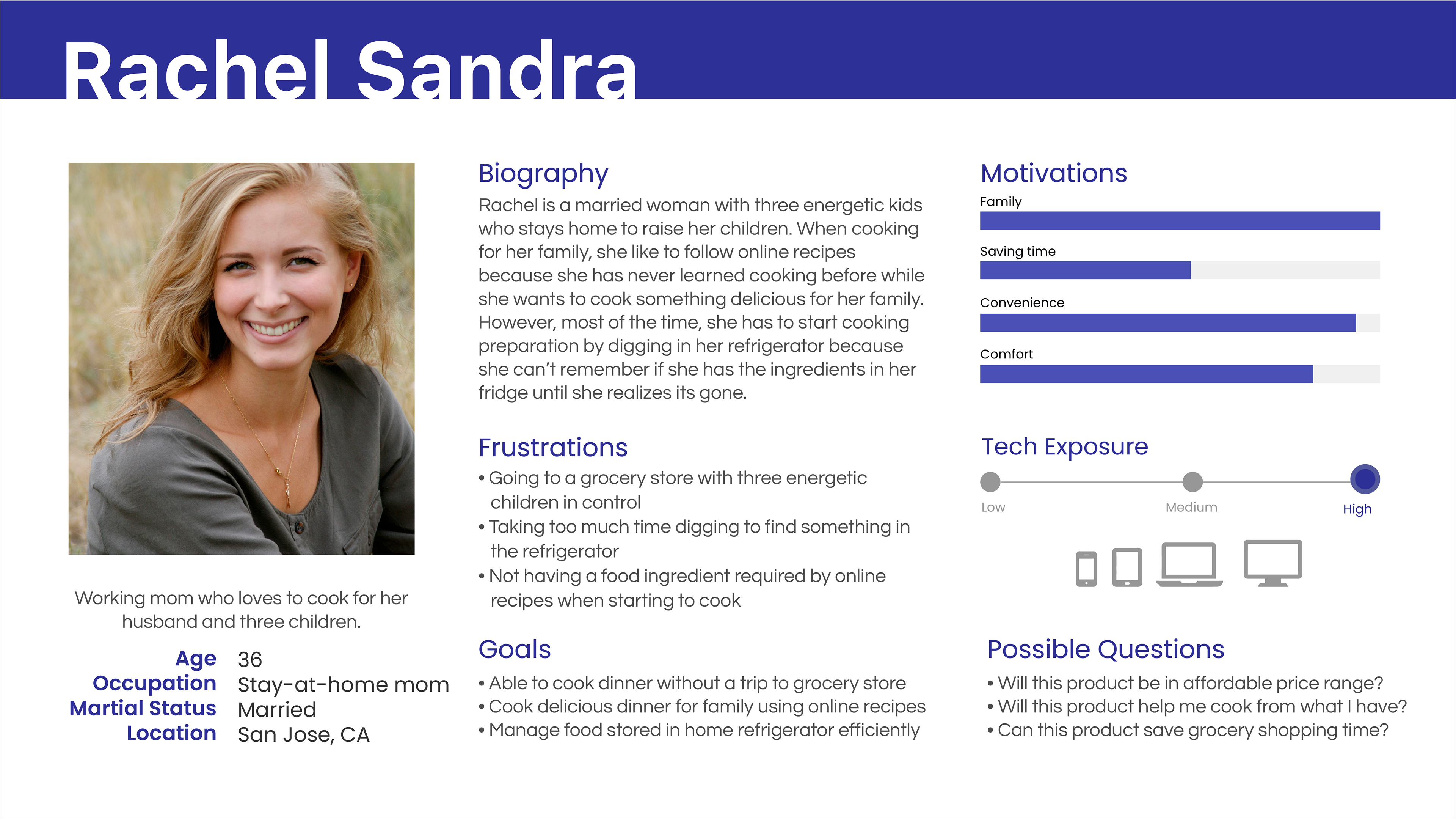
User Persona
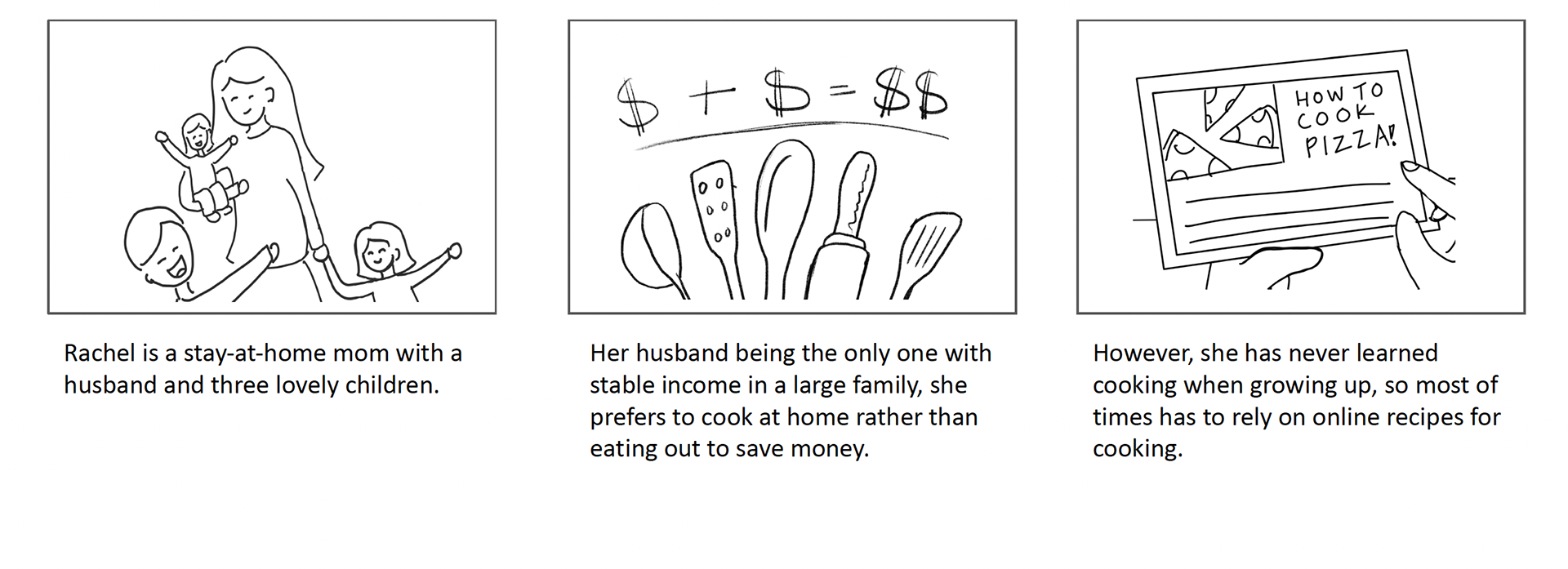
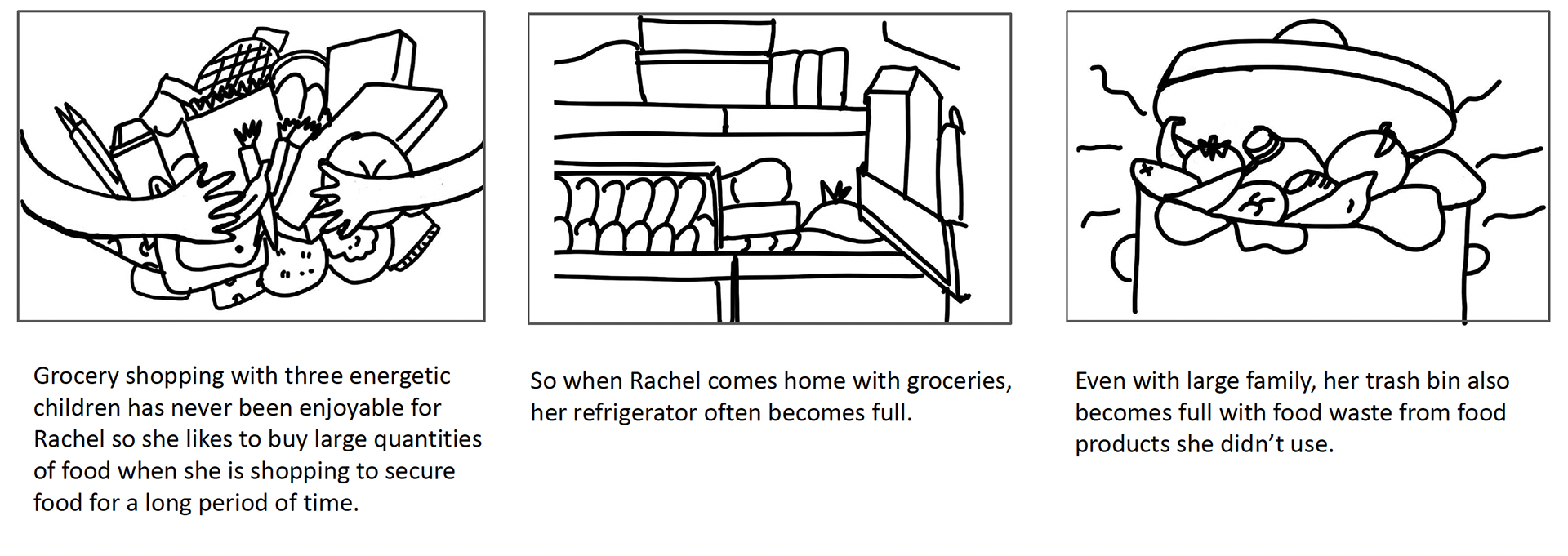
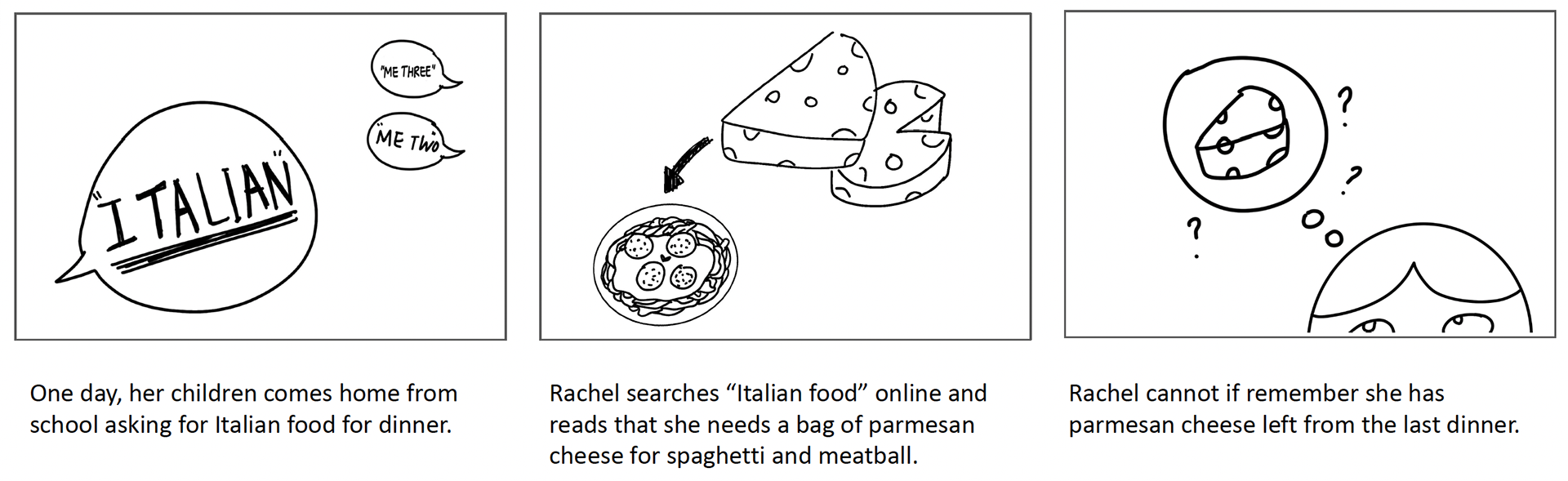
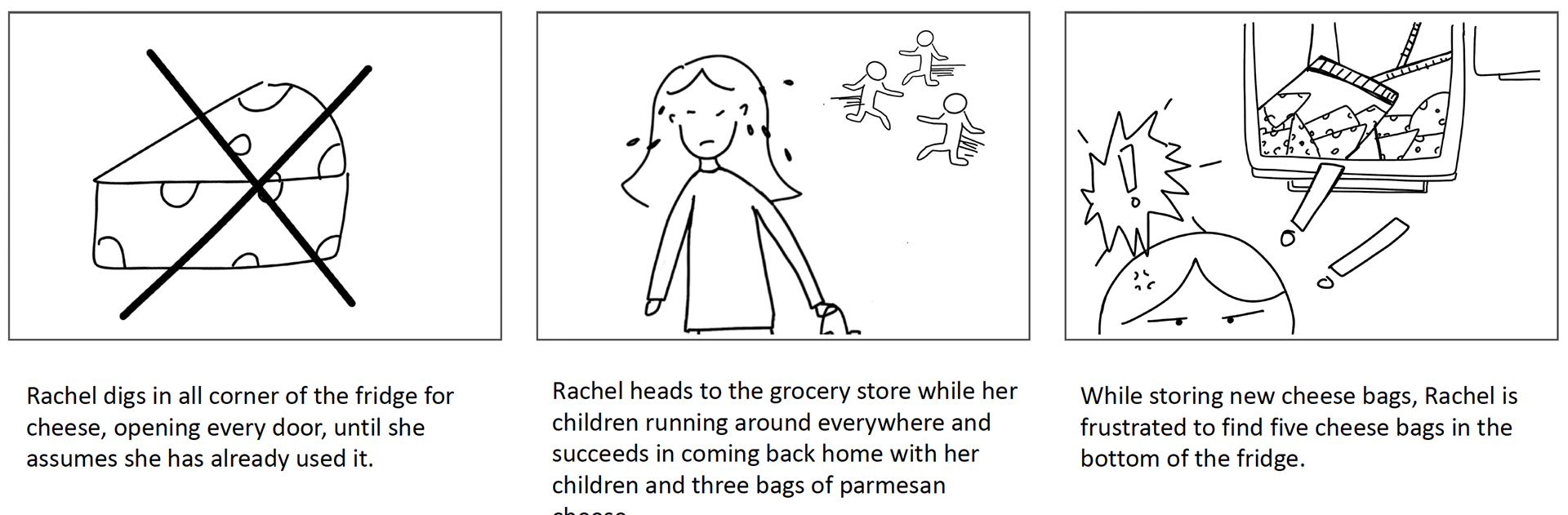
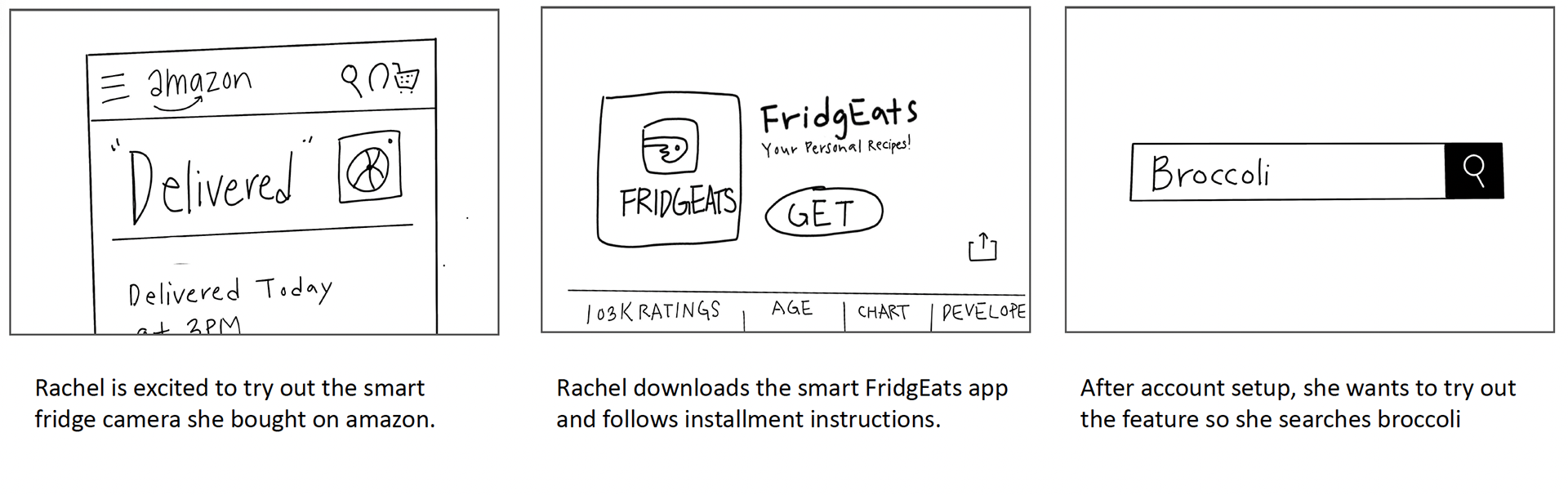
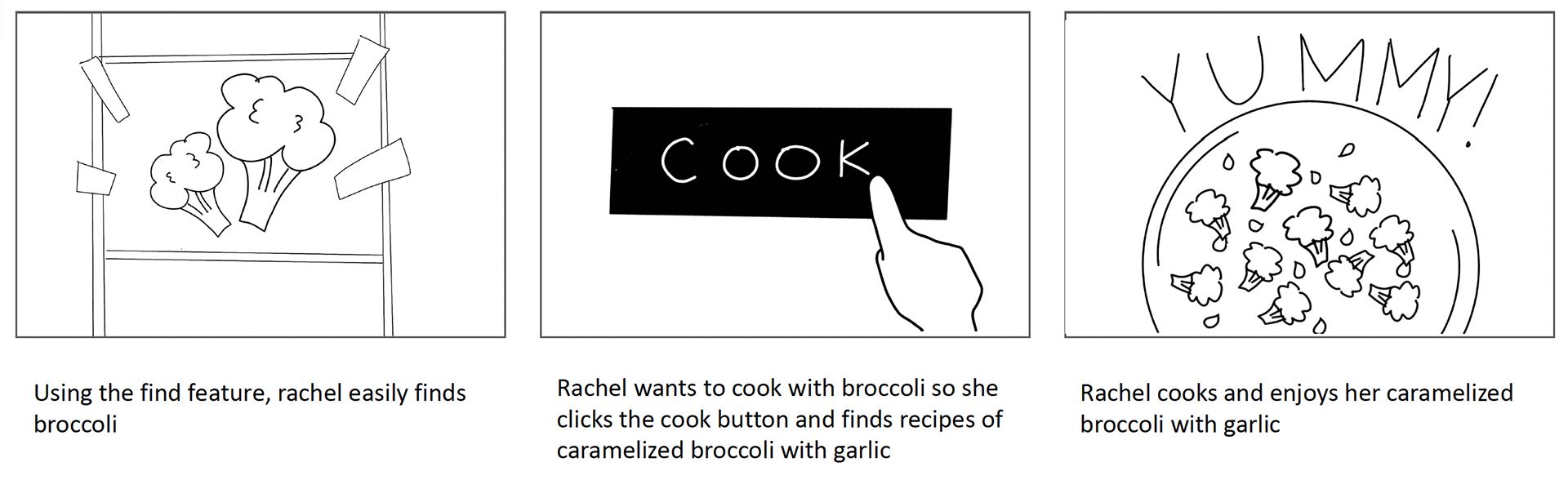
User Storytelling
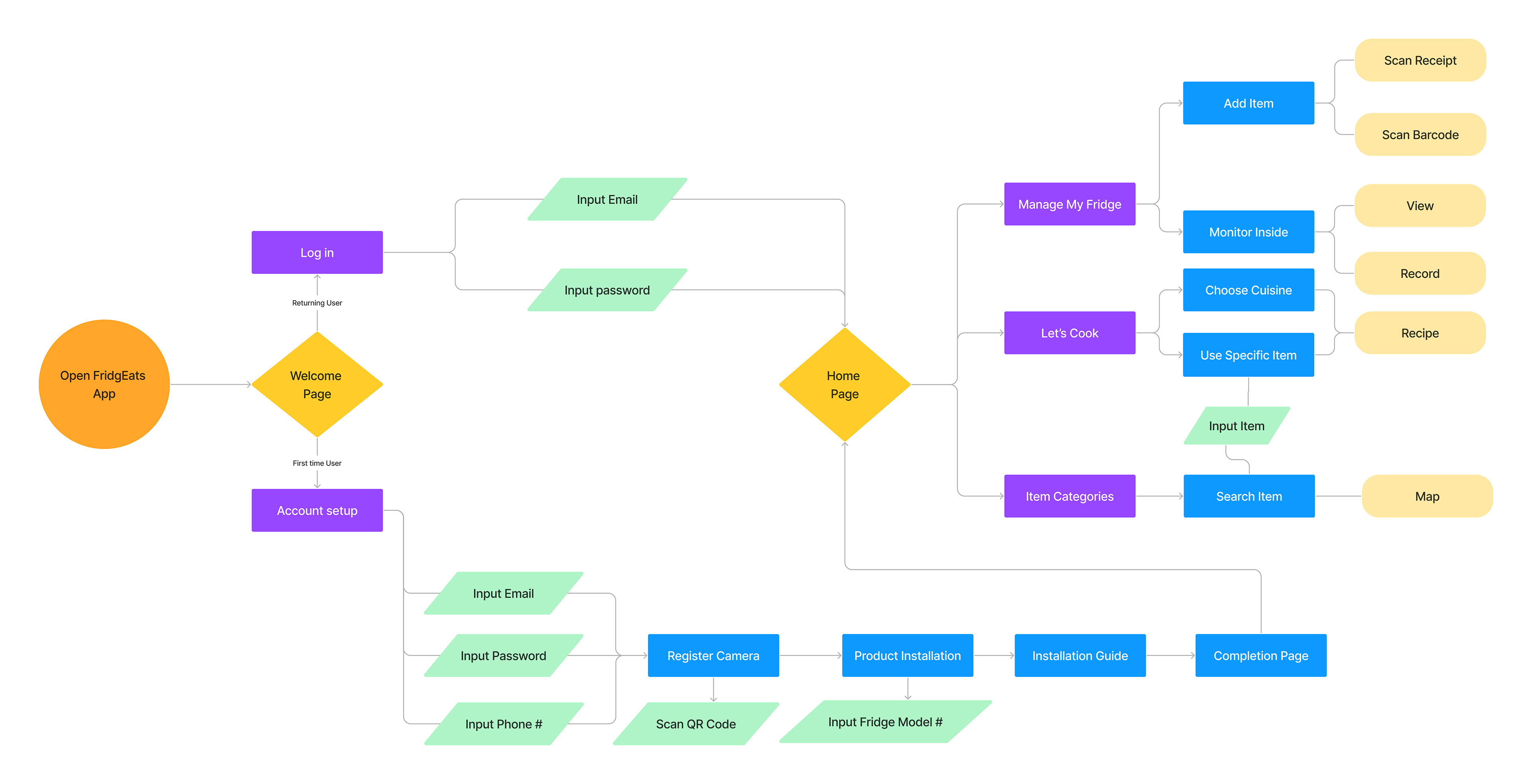
User Flowchart
Brand and Style Guides
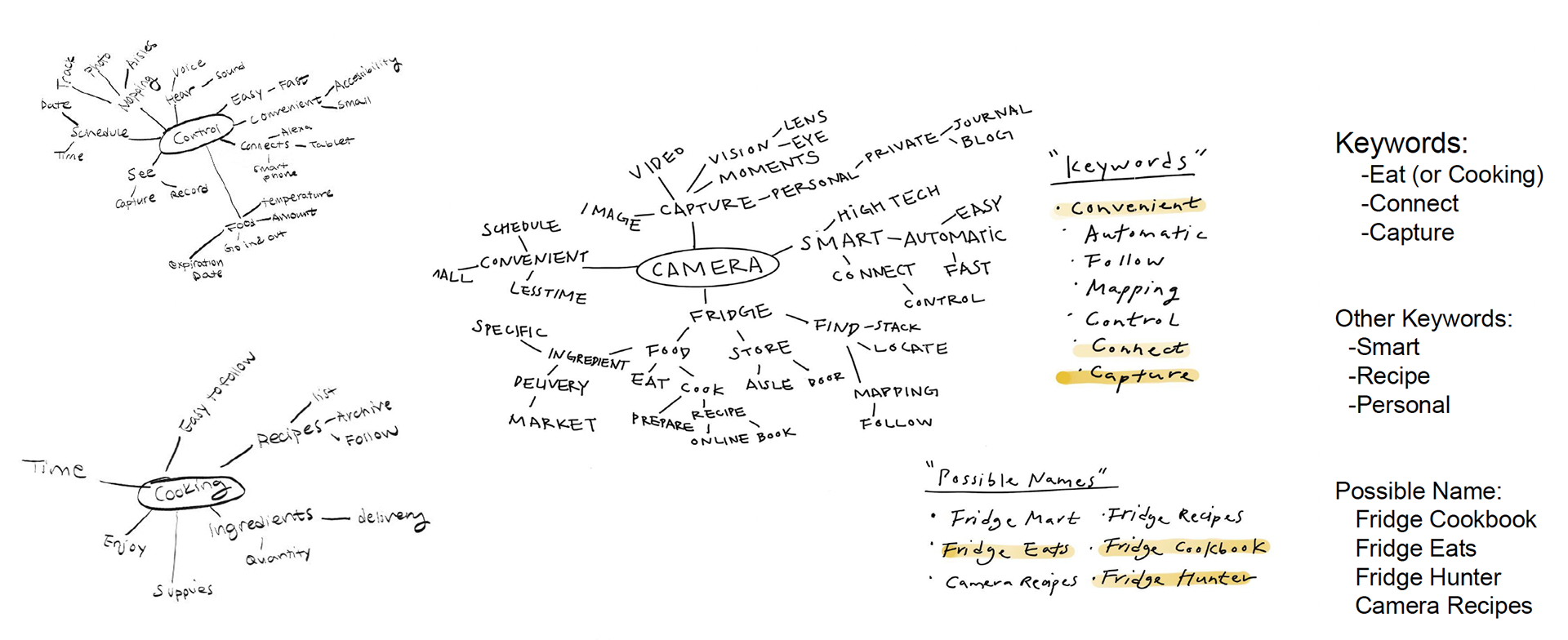
Mind Map
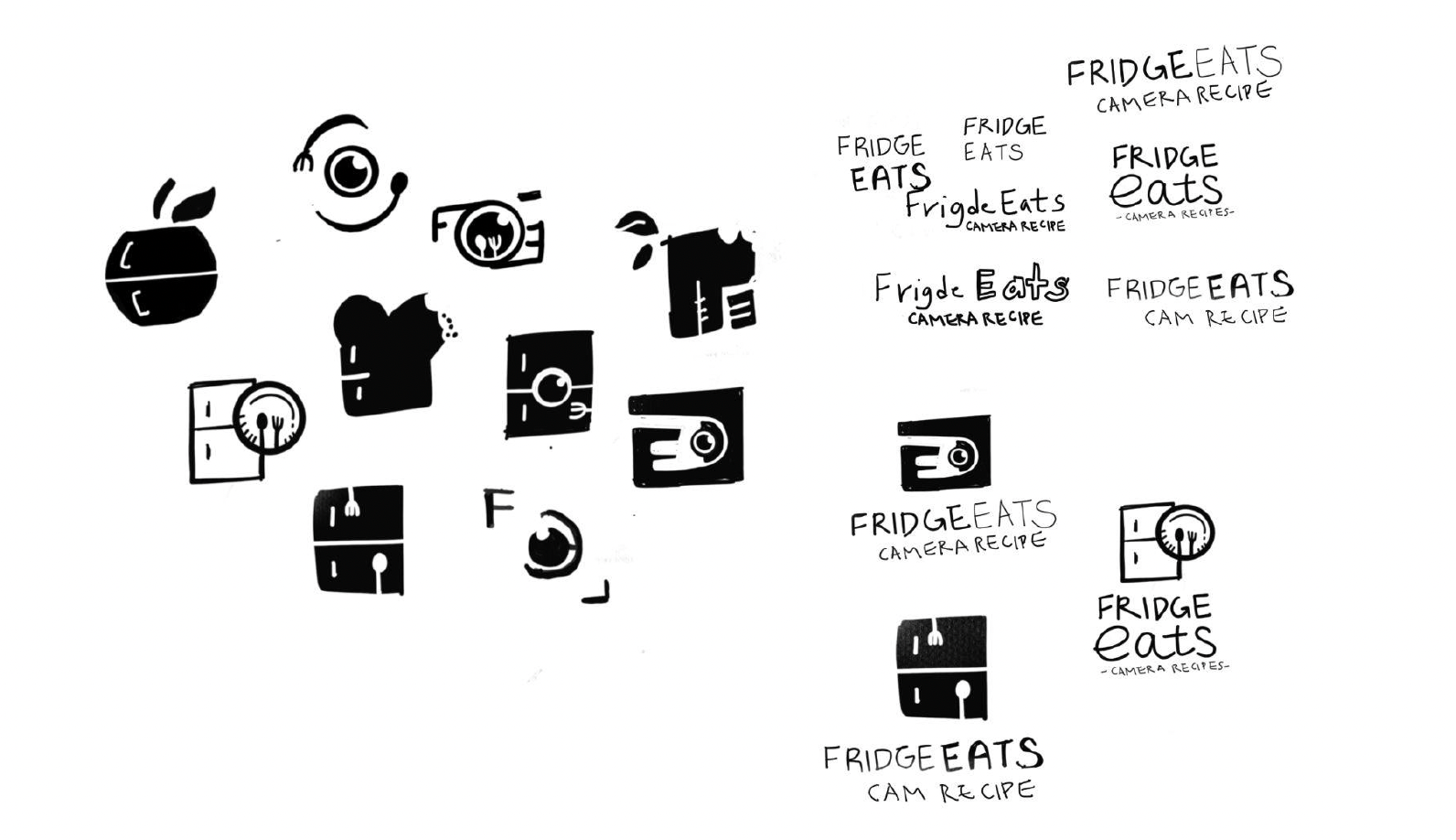
Logo Idea Sketches
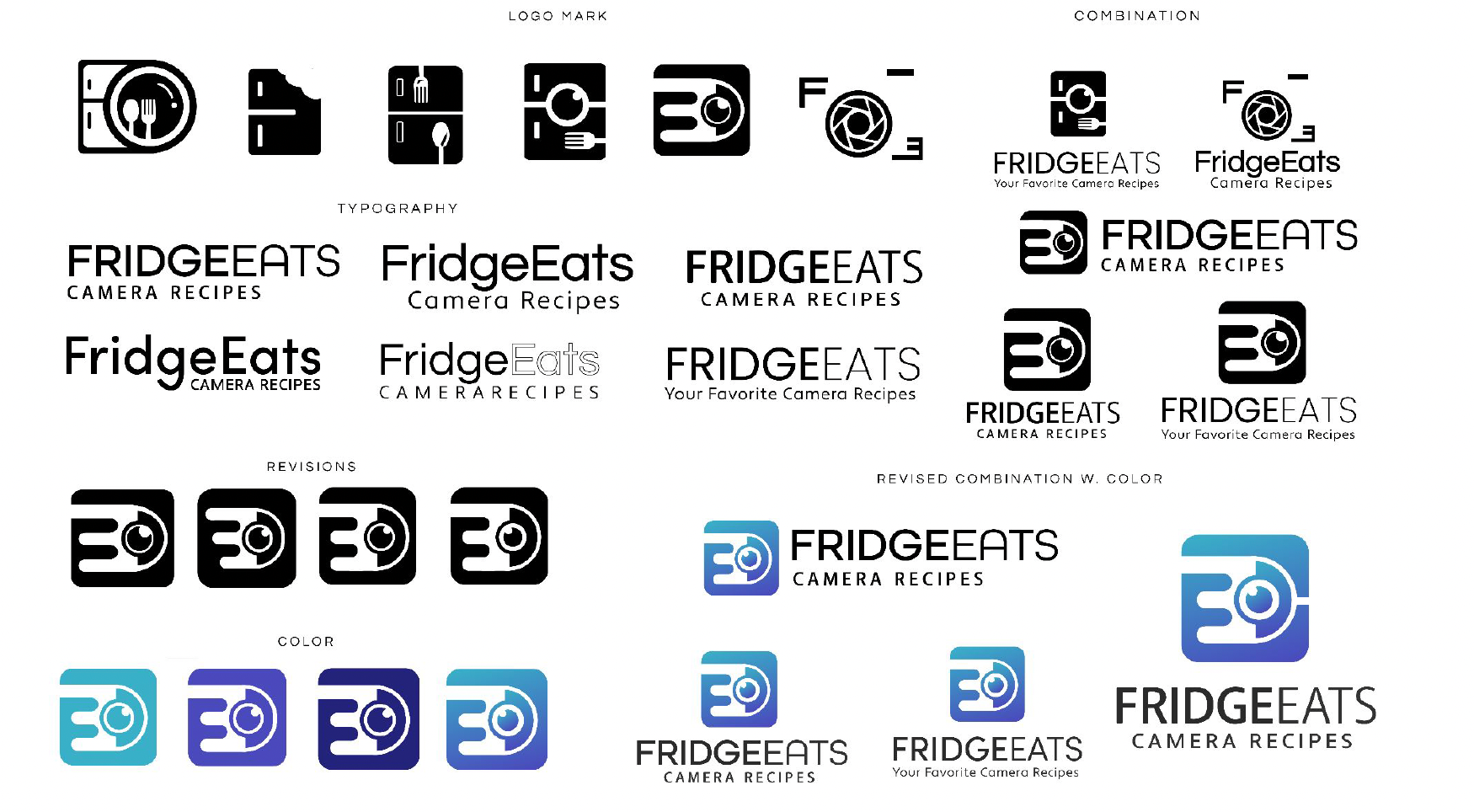
Logo Vector Sketches
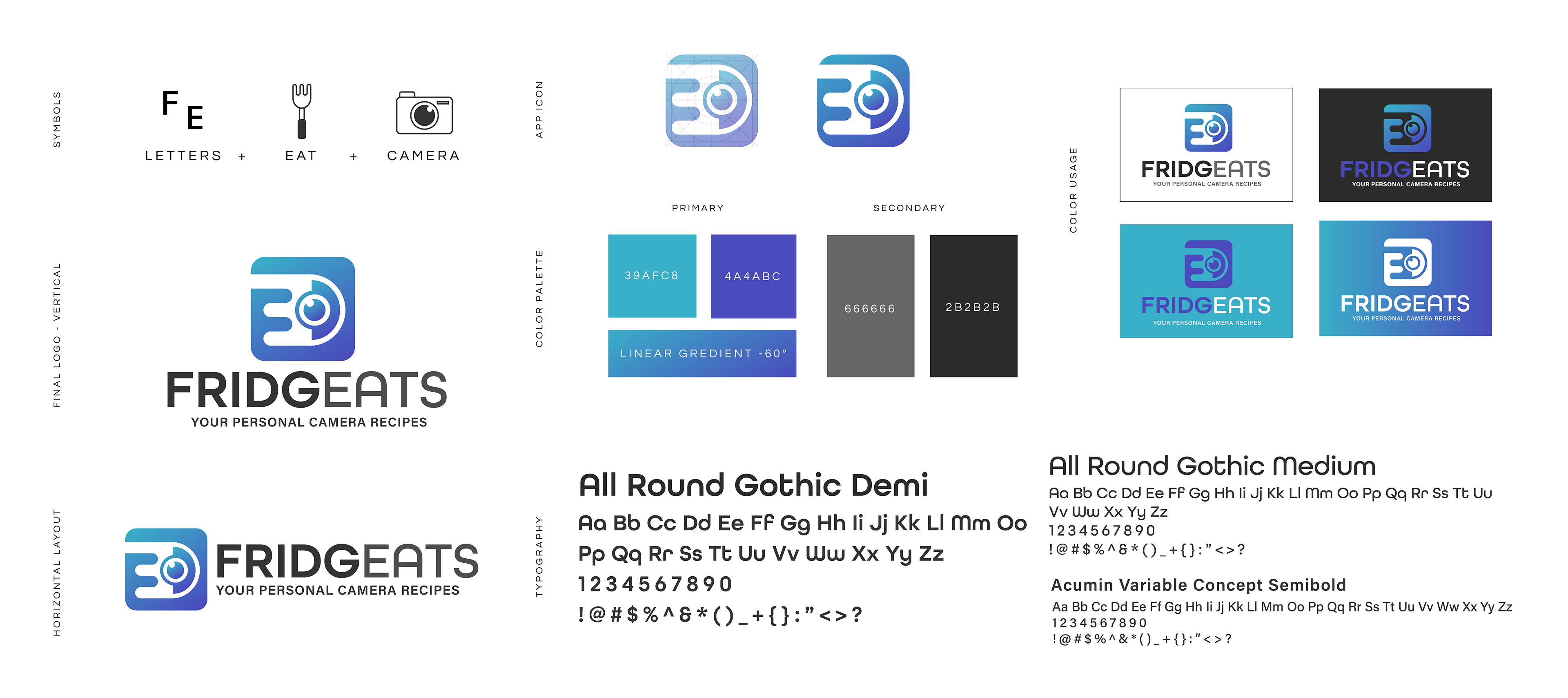
Final Brand Guide
Visual Product Mockup
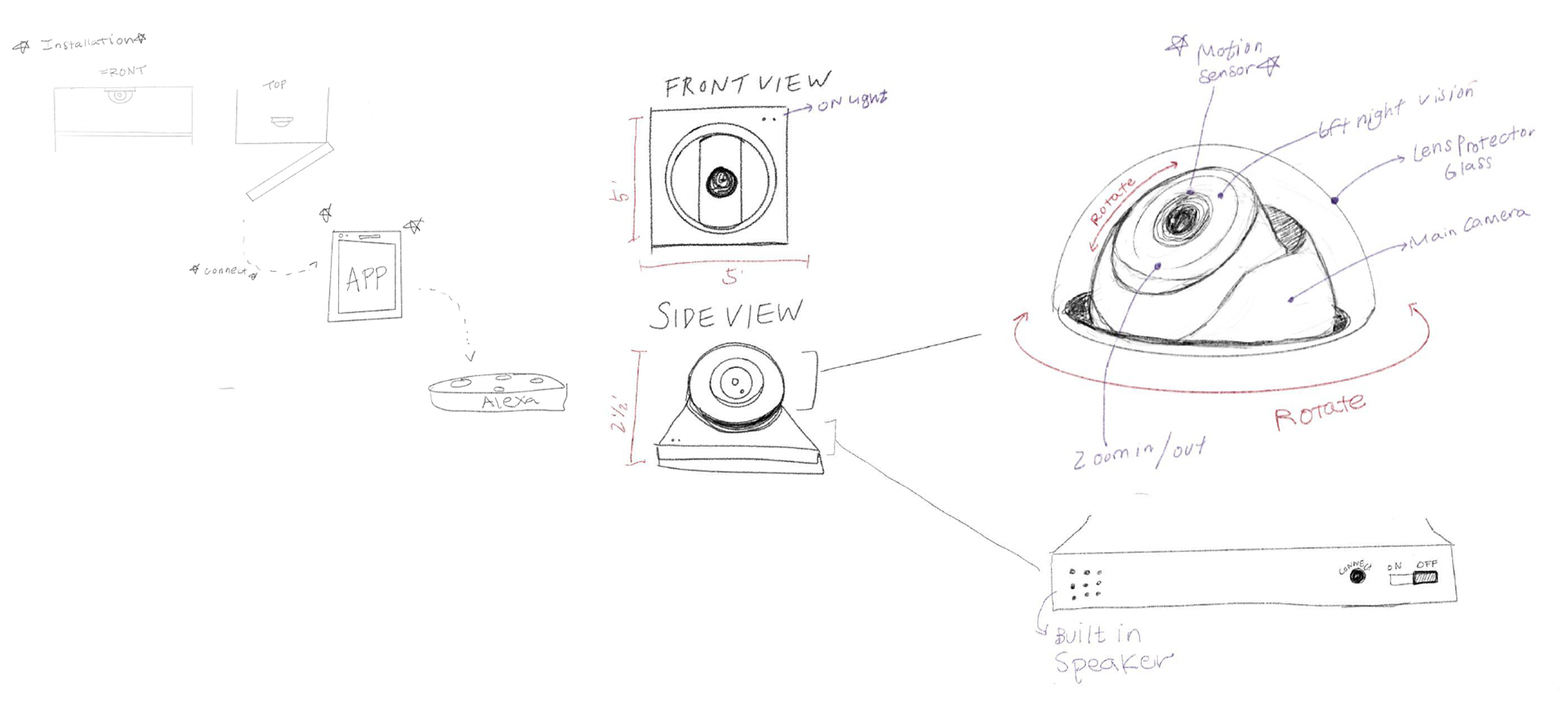
Idea Sketches
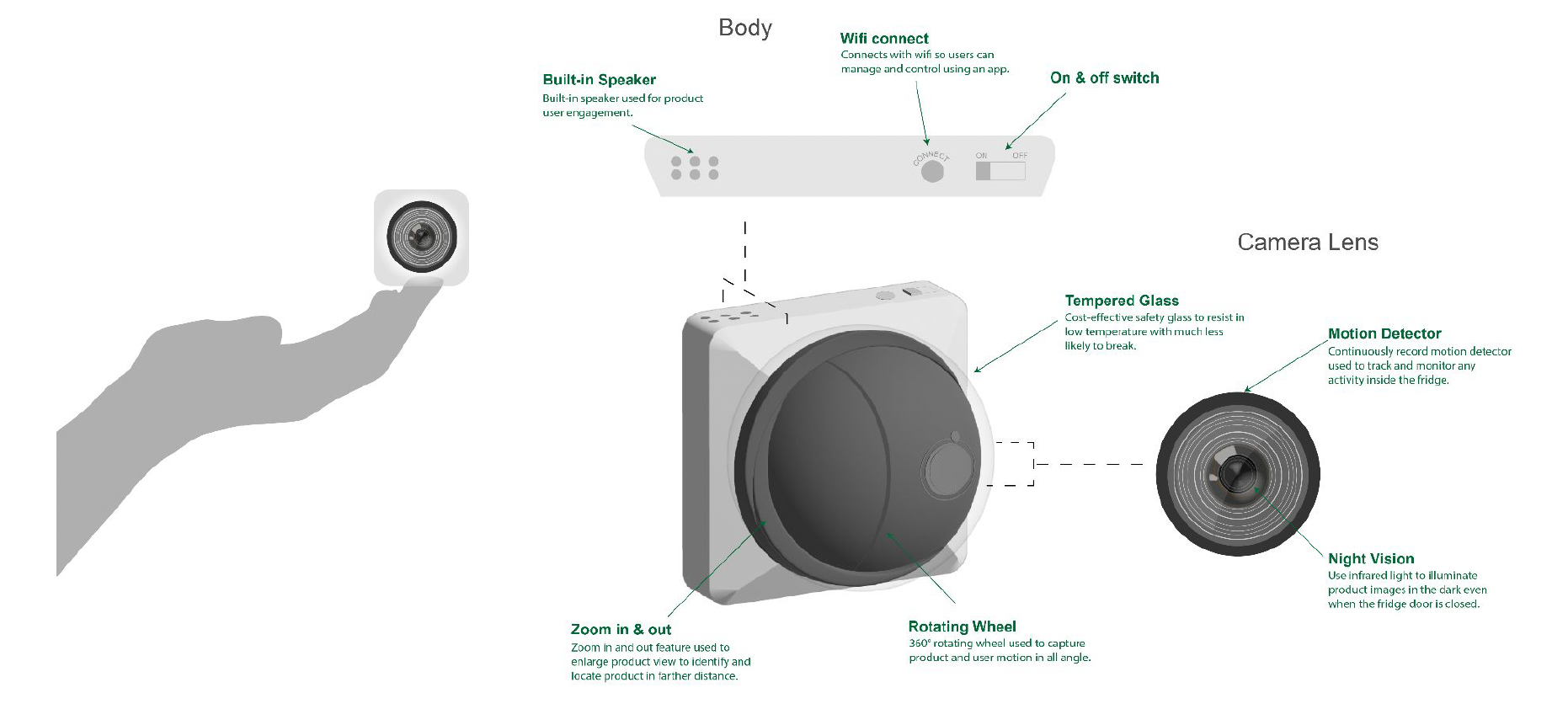
Visual Product Mockup / Details
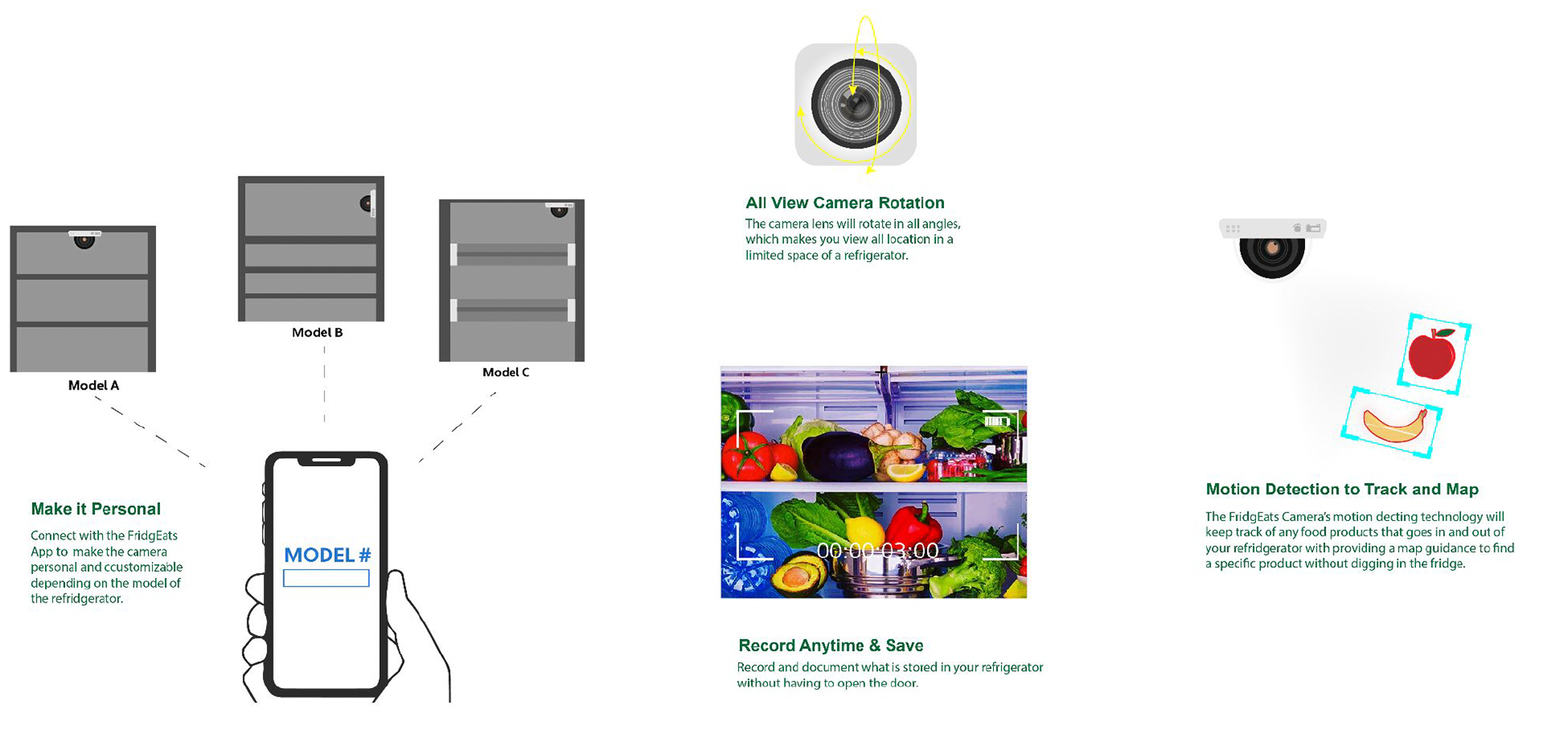
Key Functions
Wireframe/Prototype
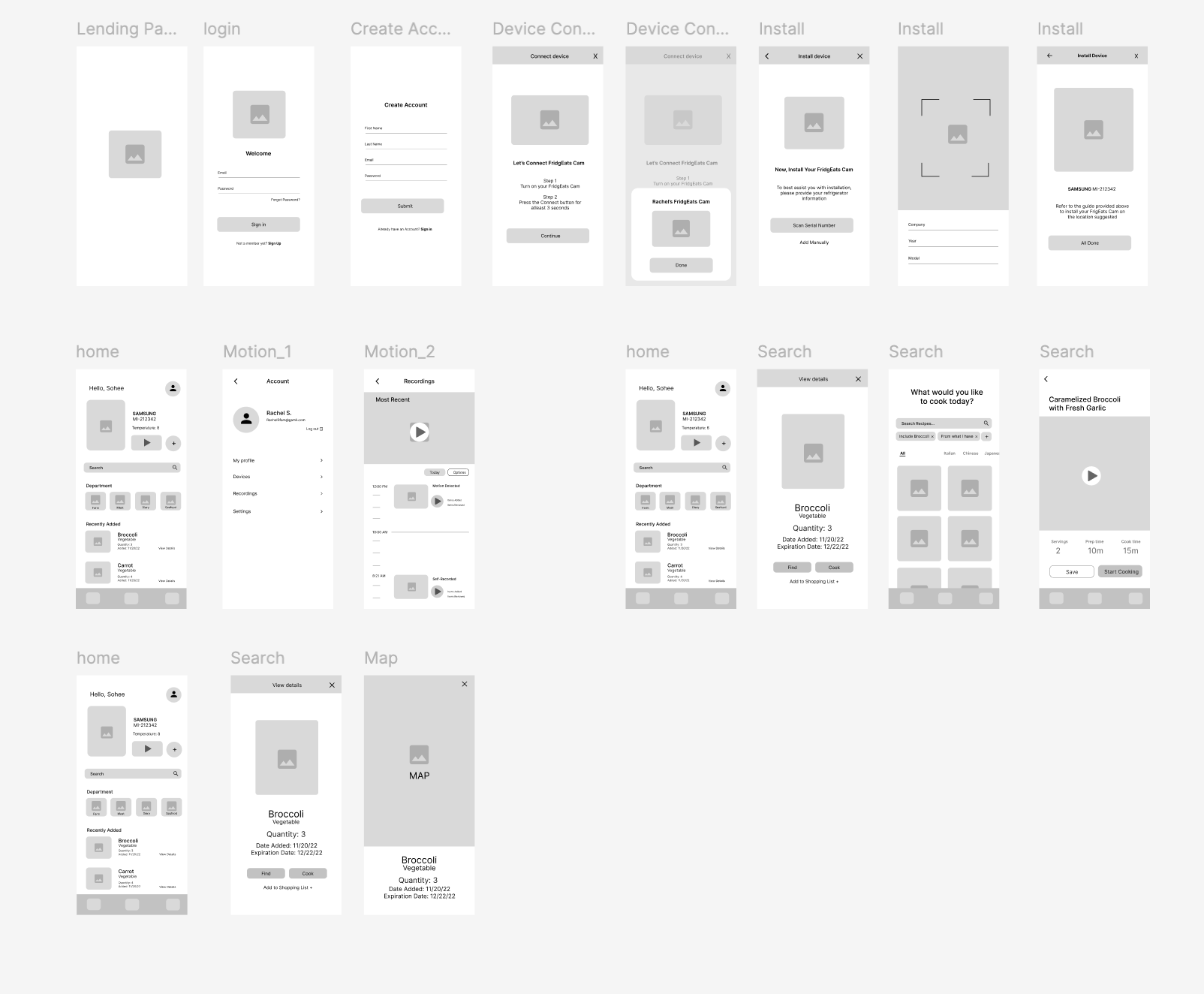
Low-fidelity Wireframe
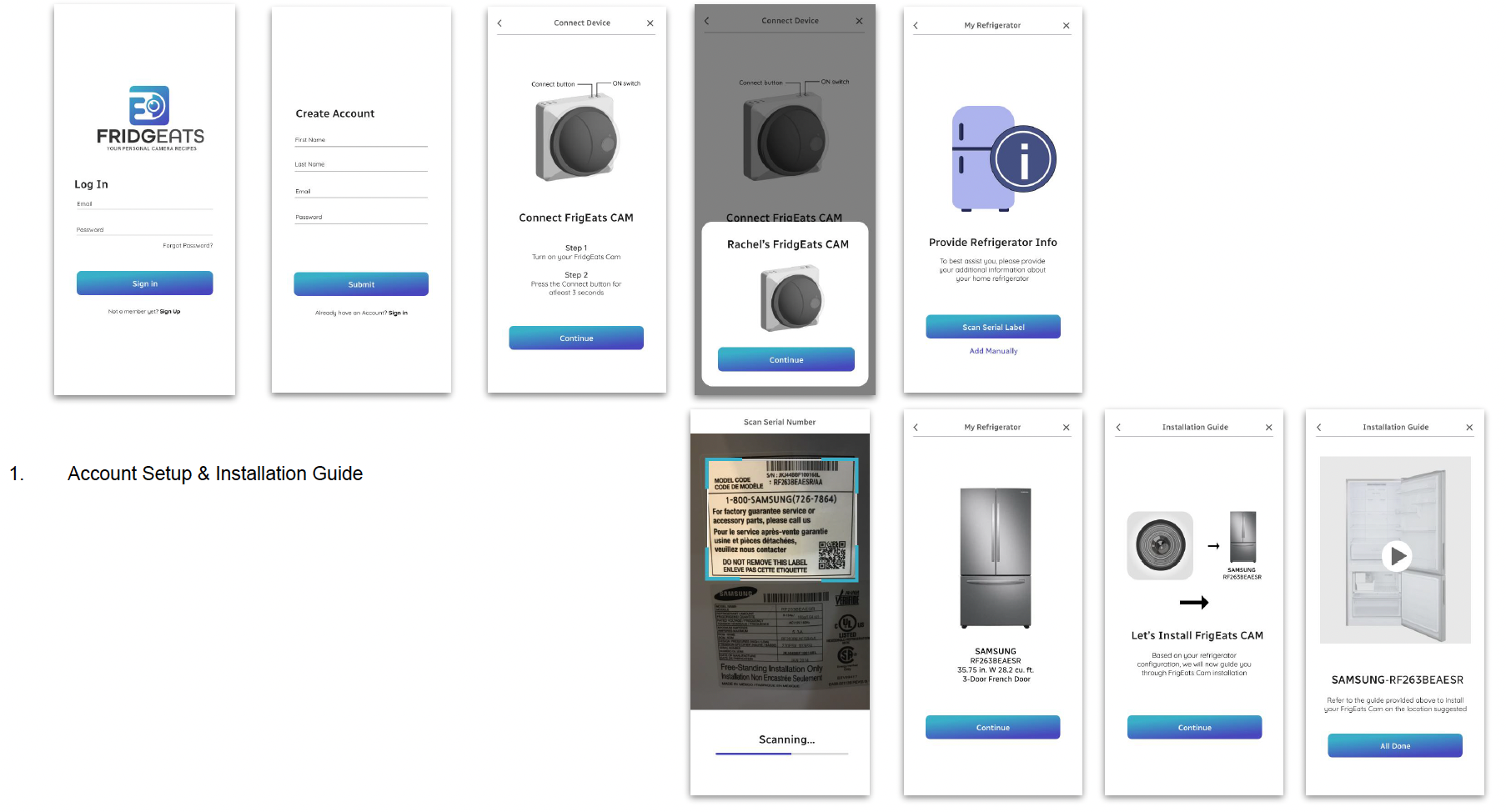
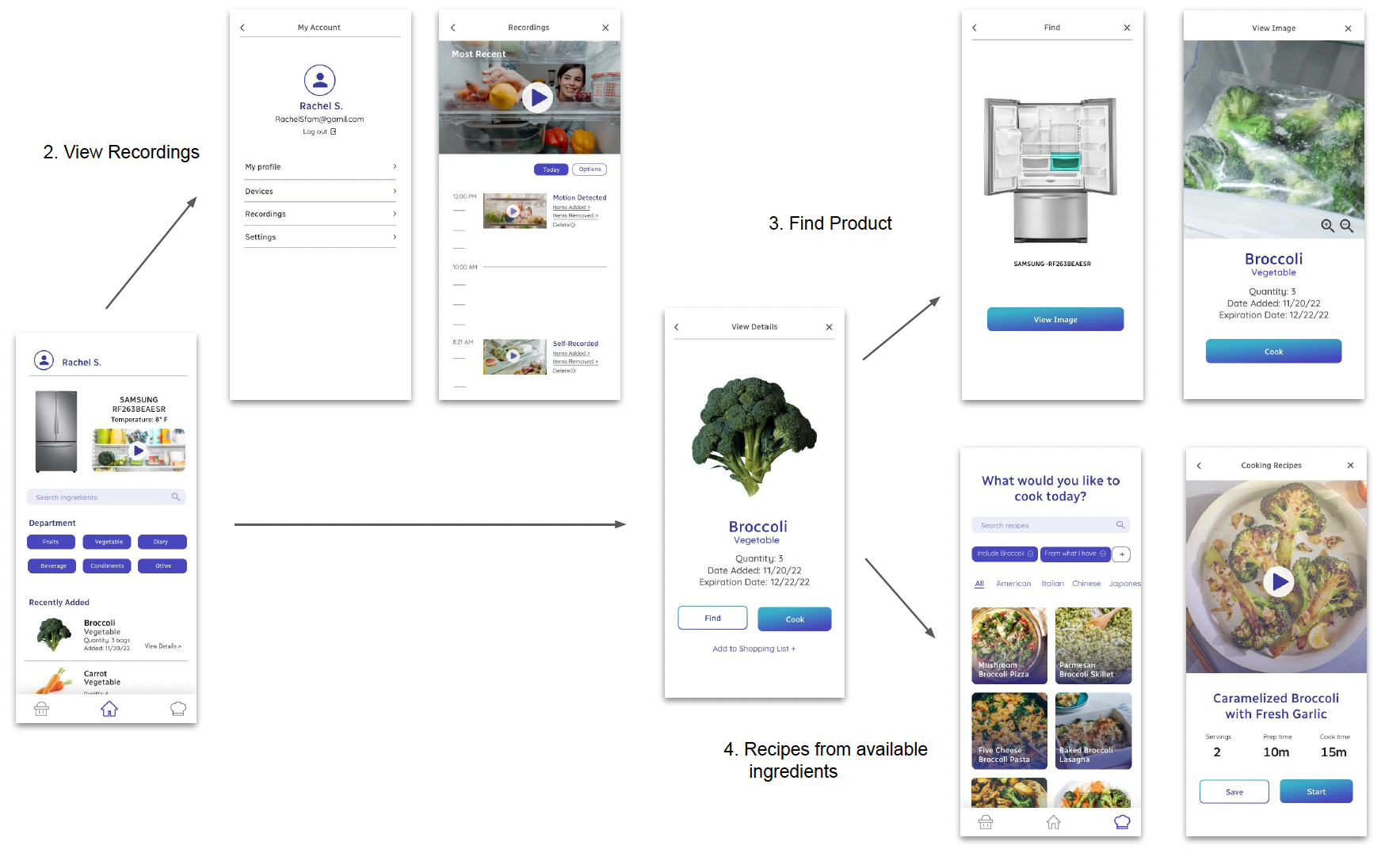
High-fidelity wireframe
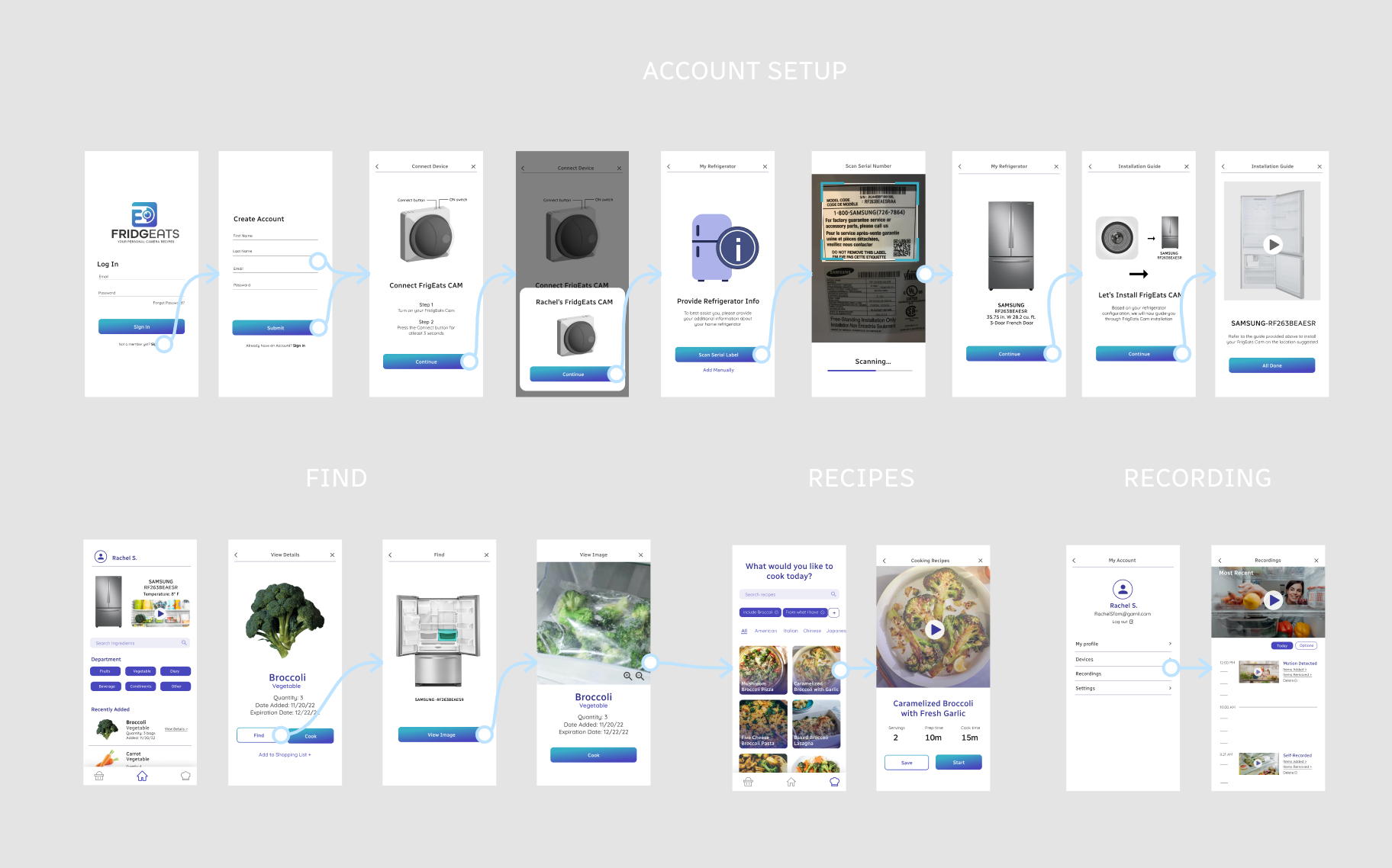
High-fidelity Prototype
Usability Test
Four usability tasks were given to five participants who had prior experience with connecting secondary device to a smart device and have previously used any form of camera application.
Primary User Test
Five participants were given following tasks:
Task 1. Connect fridgEats camera and scan refrigerator information
Task 2. Find and view image of where broccoli is stored in the refrigerator
Task 3. Find cooking recipe of caramelized broccoli with garlic
Task 4. View previous recording from my account
Task 1. Connect fridgEats camera and scan refrigerator information
Task 2. Find and view image of where broccoli is stored in the refrigerator
Task 3. Find cooking recipe of caramelized broccoli with garlic
Task 4. View previous recording from my account
Collecting and Measuring Data
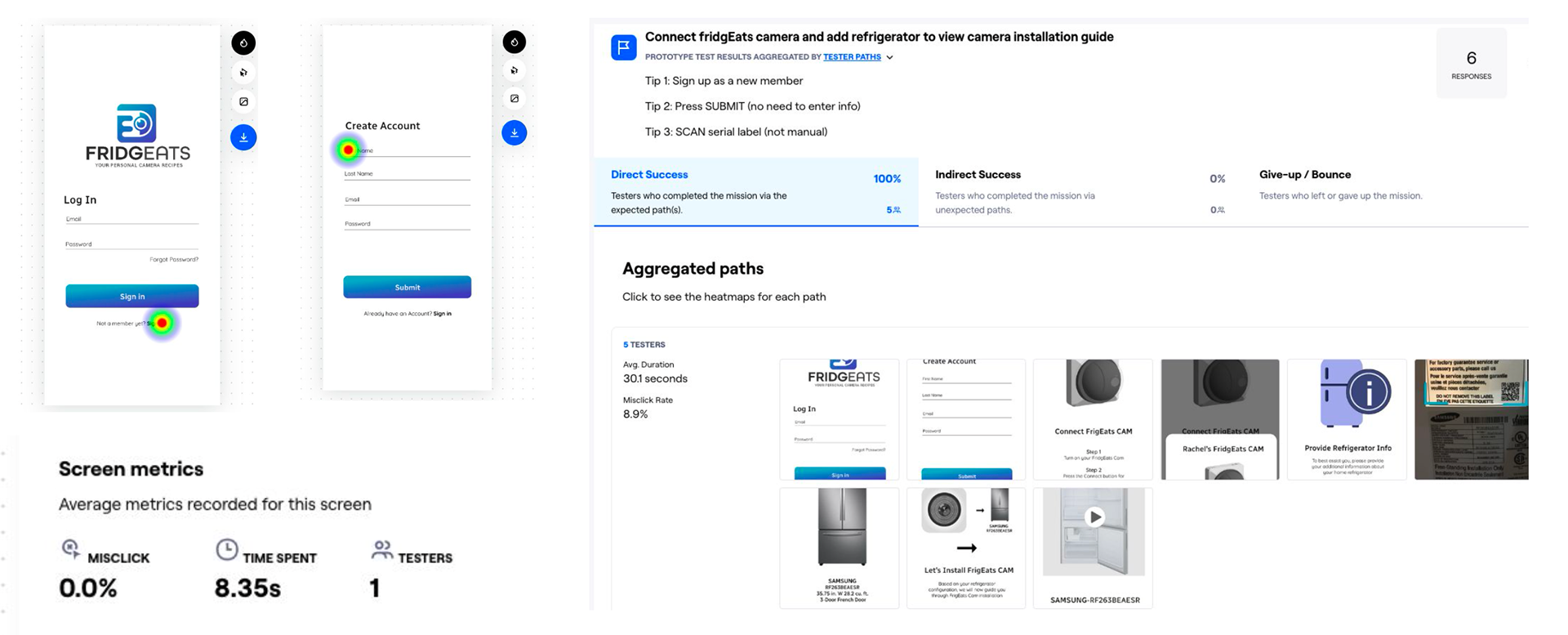
Testing Snapshot: Task 1
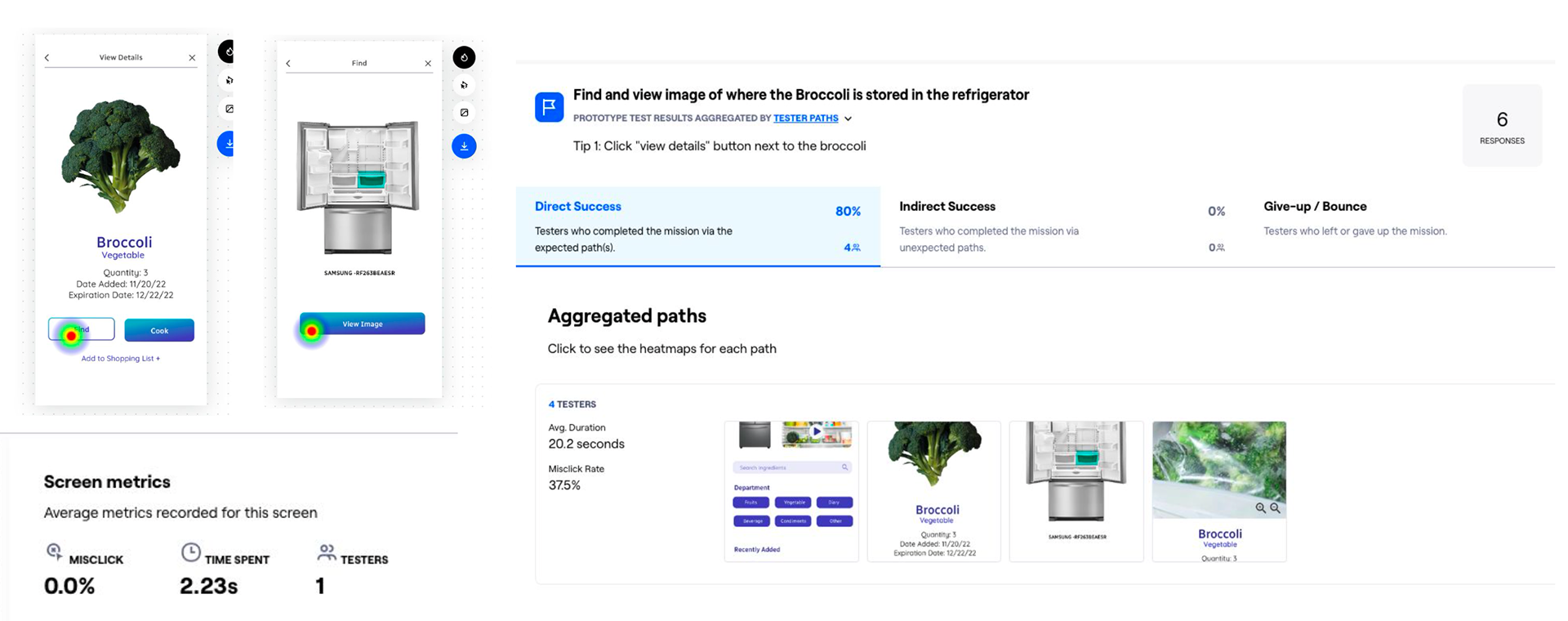
Testing Snapshot: Task 2
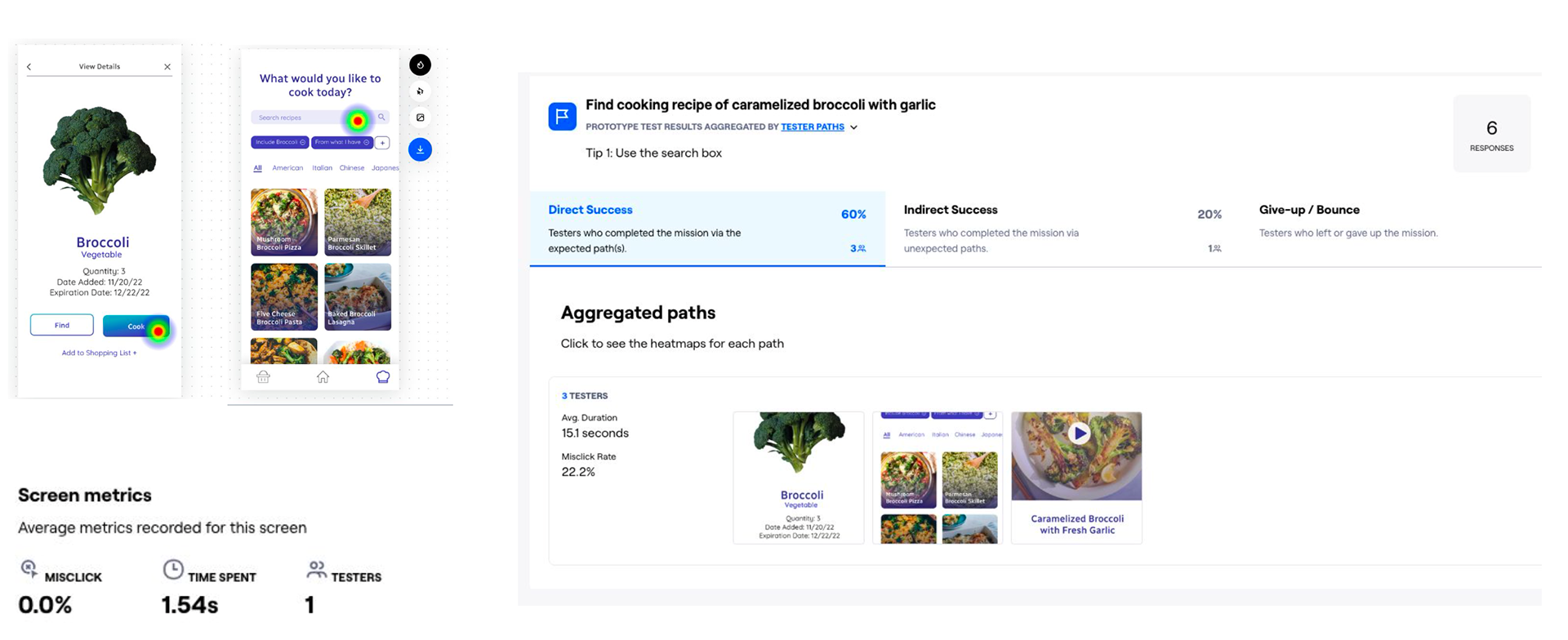
Testing Snapshot: Task 3
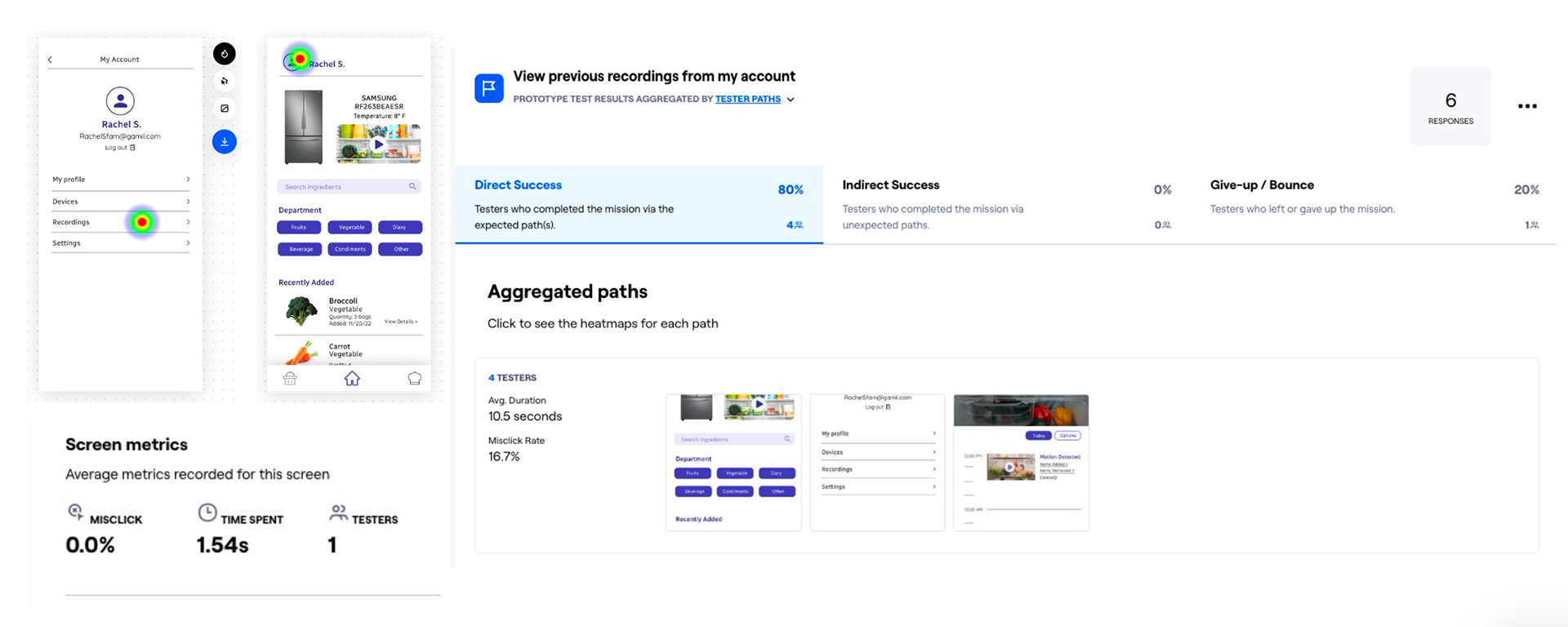
Testing Snapshot: Task 4
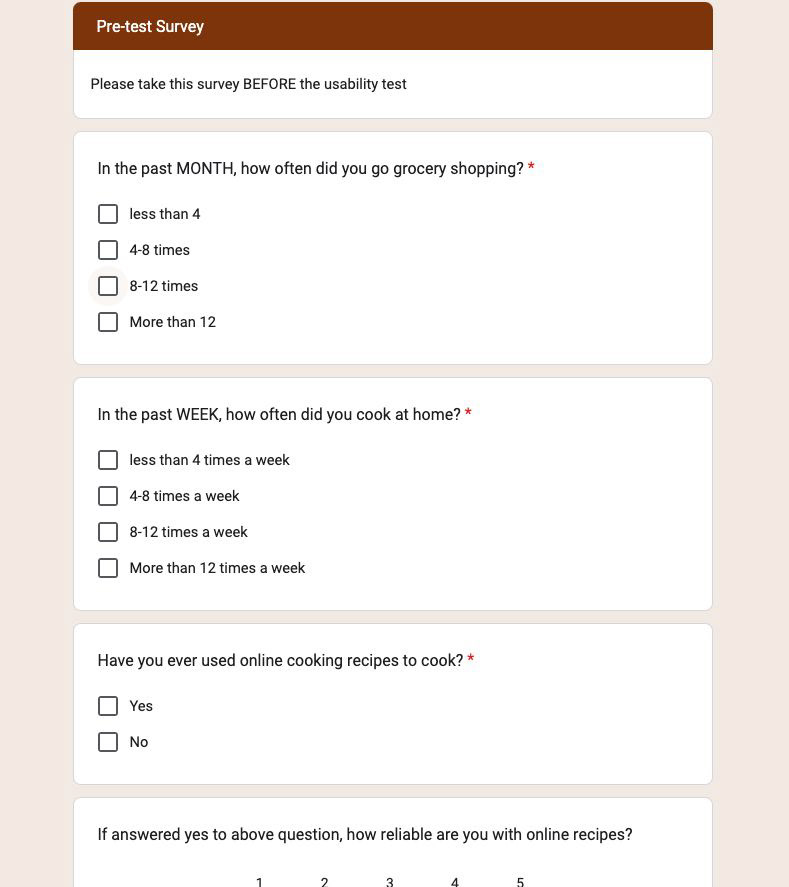
Pre-test Survey
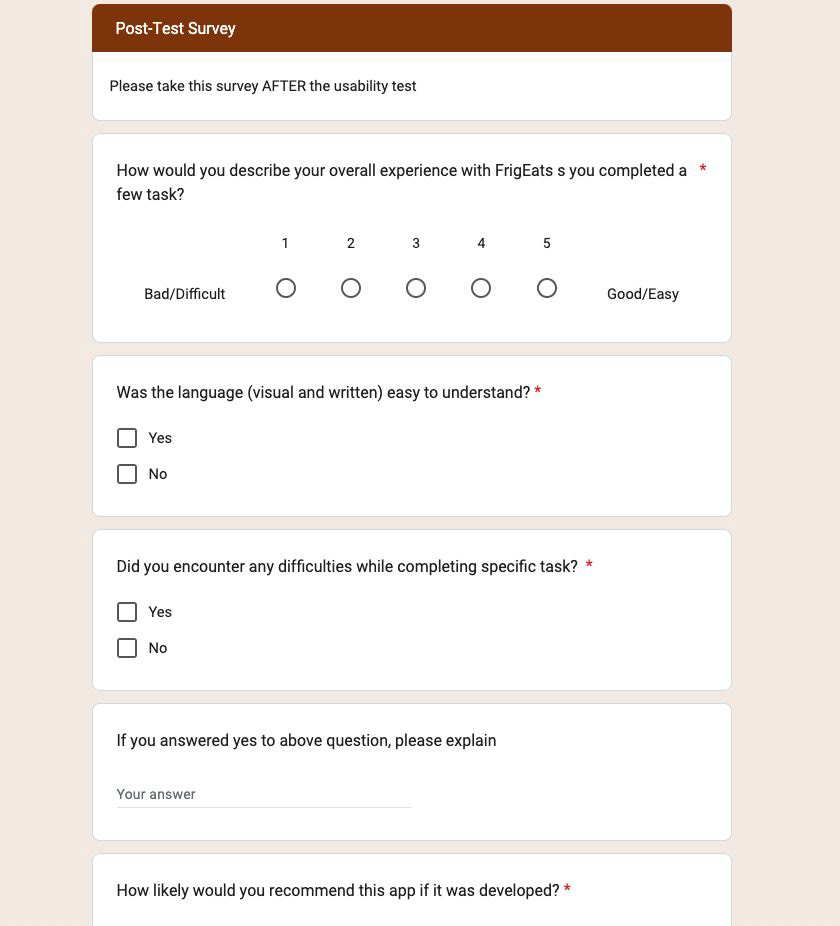
Post-test Survey
Findings
Pre-test Results
Usability test outcomes
Post-test Results
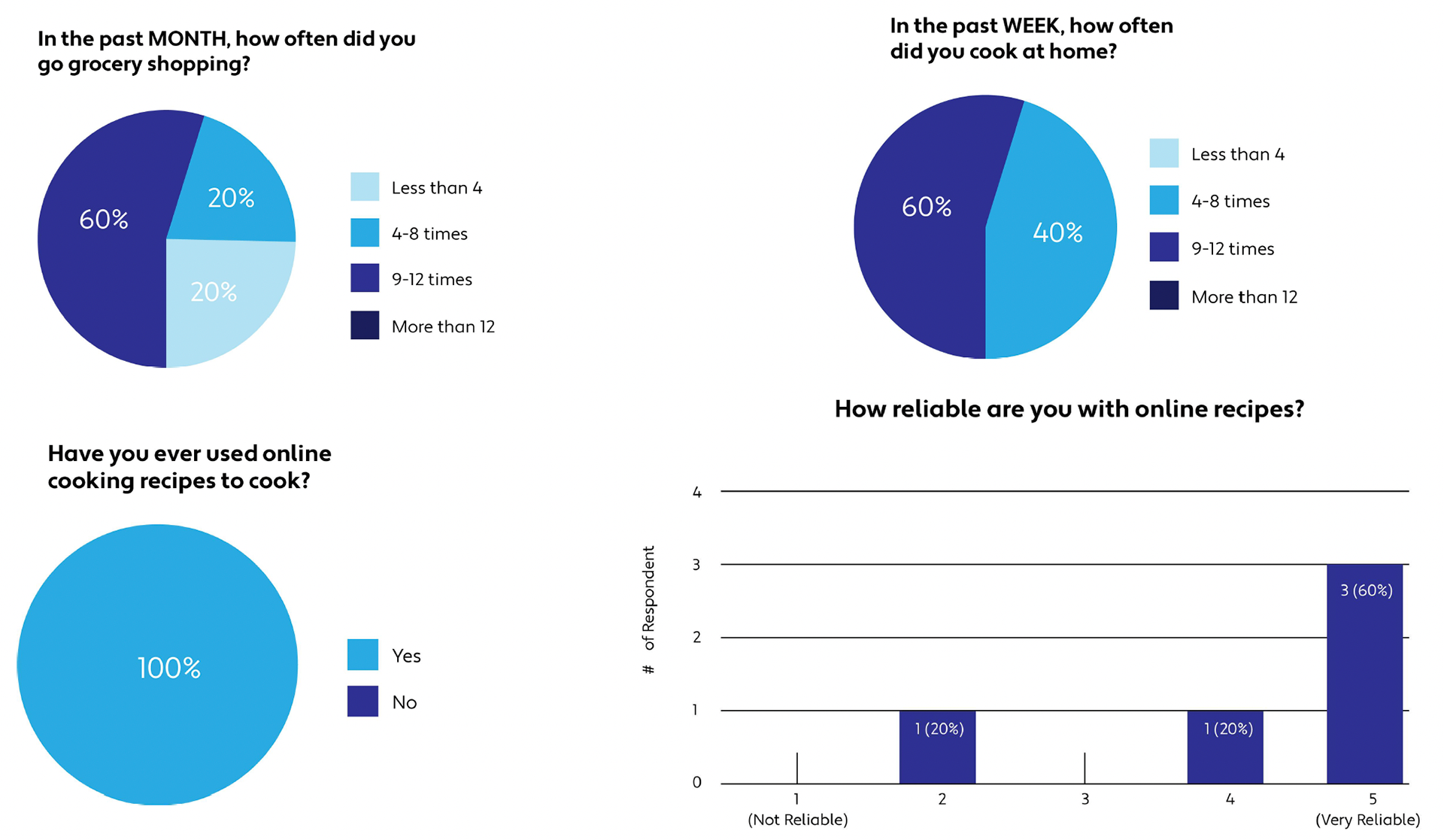
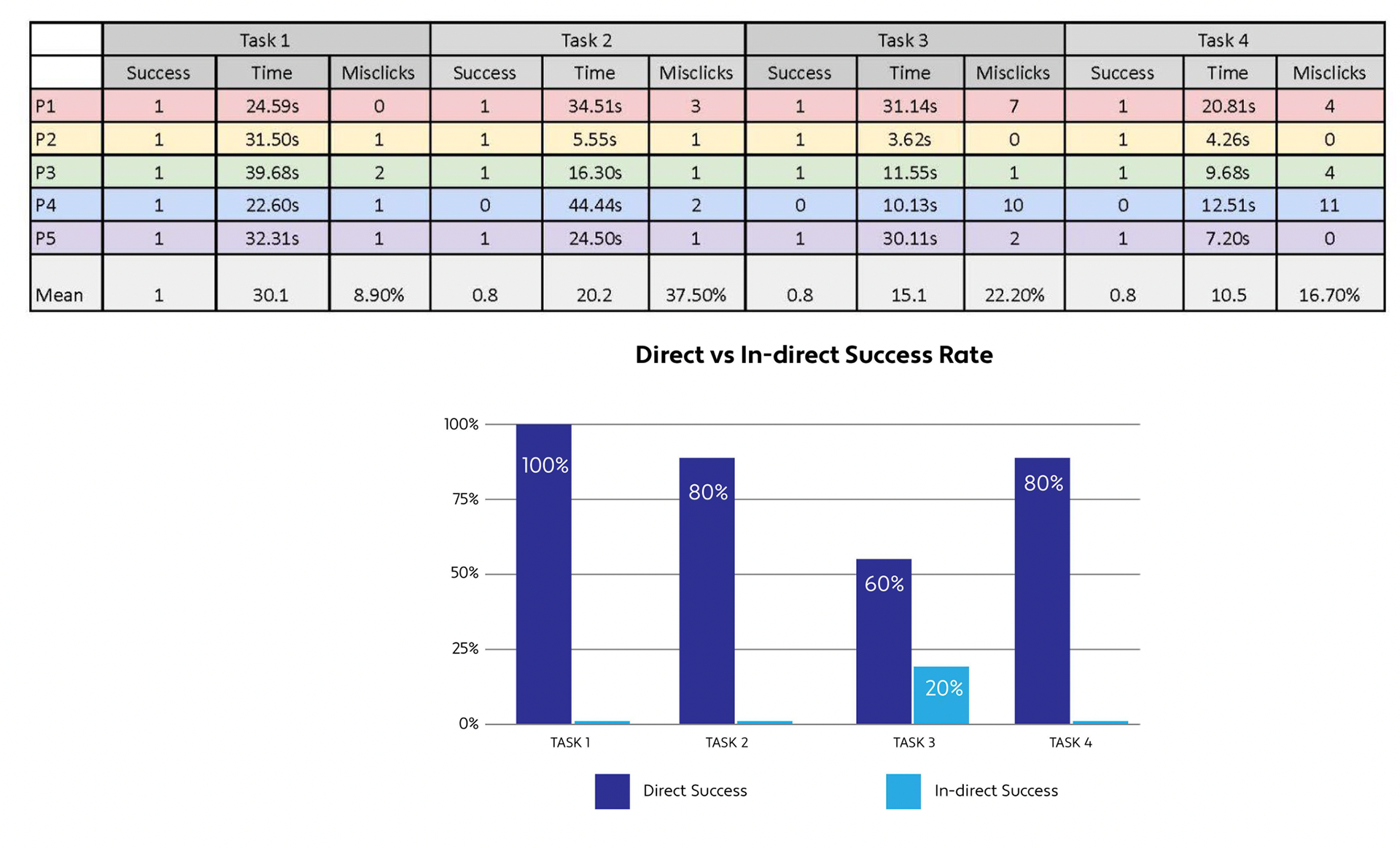
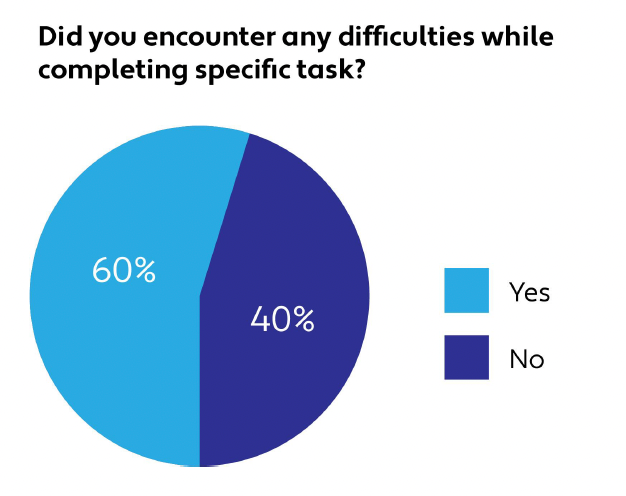
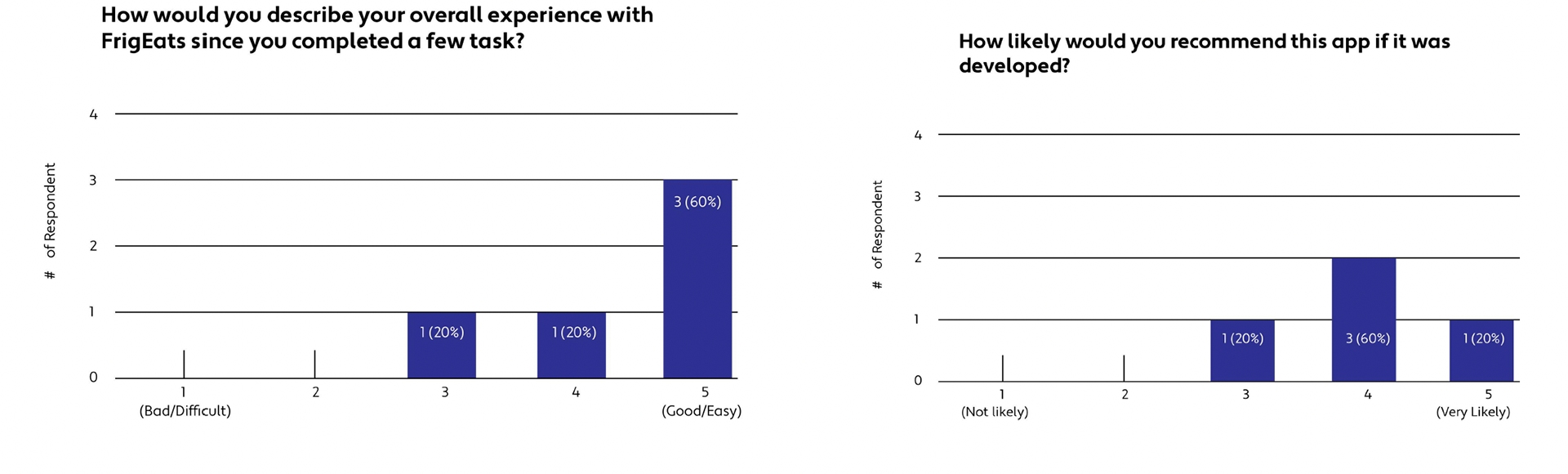
Based on the pre-test survey, 60% of respondents replied to cook 9 to 12 times past week. All users replied that they have used online recipes to cook while 60% of the users replied they are strongly reliable to online recipes. Out of five participants tested, only four had full success rate in all tasks. Although 80% of participants had direct success rate for task 2, finding broccoli, two of the participants noted that it would have been difficult to locate the page by clicking “view details” without any instructions given. Correspondingly, all participants who replied that they have encountered difficulty found task 2 most difficult. However, all users responded that visual and written descriptions were easy to understand with positive rate of overall experience